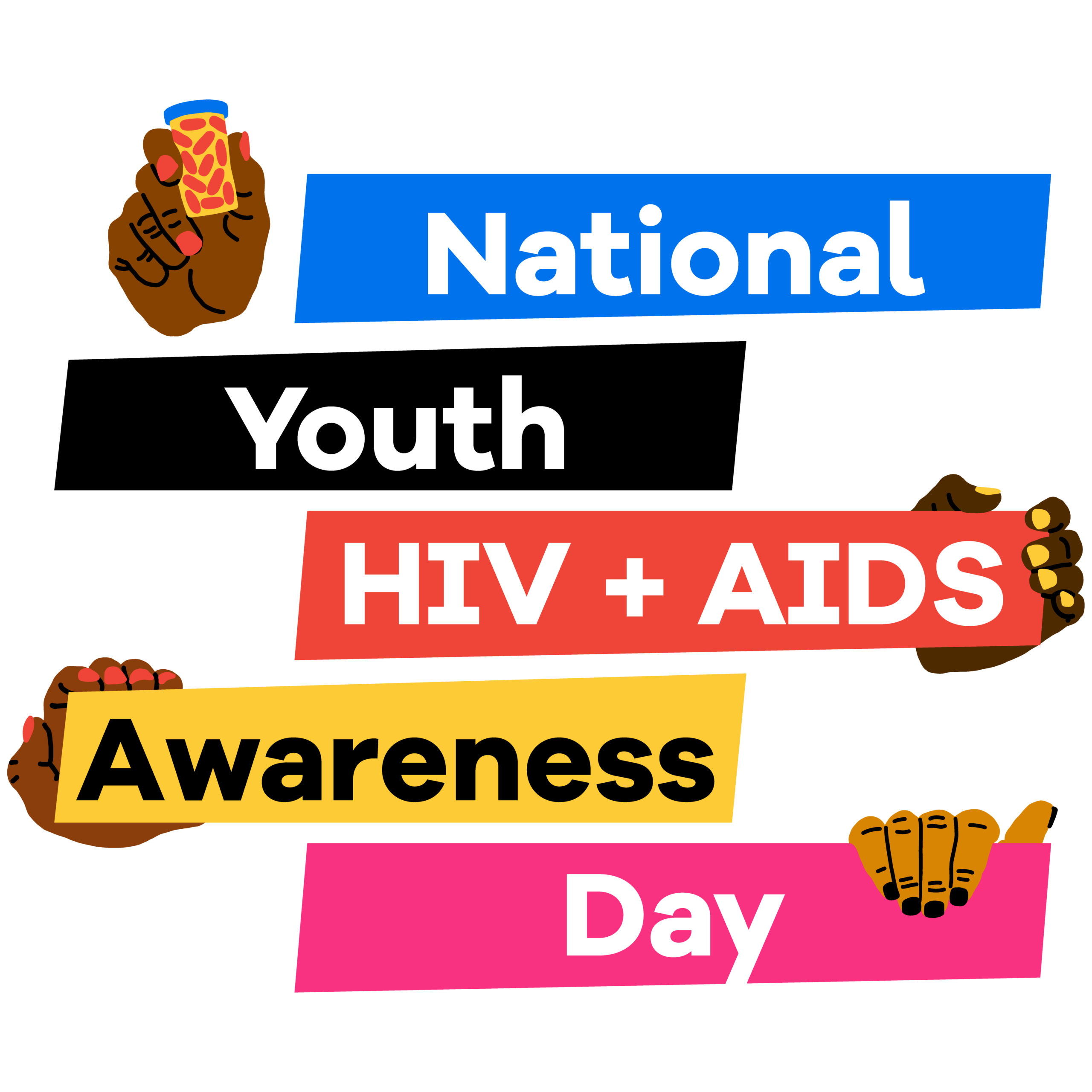
Founded in 2013, National Youth HIV and AIDS Awareness Day (NYHAAD) is an annual commemoration on April 10 to reduce stigma around HIV and AIDS and amplify HIV prevention, treatment, and support resources for young people.
Ryan White: One Story About Youth and HIV and AIDS
The rise of the HIV/AIDs epidemic began in 1981. Transmission of HIV and the development of AIDS were poorly understood at the time. For the first half of the decade, research funding was sparse. People with bleeding disorders, also known as hemophiliacs, contracted HIV from the very treatments meant to save their lives. Unfortunately, blood transfusions were a common treatment for bleeding disorders back then, and there was no screening procedure to protect patients from HIV.
Ryan White was a 13-year-old who contracted HIV via a blood transfusion. Following his diagnosis in 1984, he was barred from returning to school. Outside of his immediate family, he was ostracized for his diagnosis. Driven by fear and misinformation, teachers, parents, and students were terrified of the idea of having him in class. Over a year after his diagnosis, he was permitted to return; on that day, out of 360 students, 150 were absent.
In the years following his diagnosis, he became an advocate for people with HIV and AIDS until his death in 1990 at the age of 18. Currently, his memory lives on in the Ryan White Comprehensive AIDS Resources Emergency Act of 1990. The programs funded by this act provide much-needed care for individuals affected by HIV or AIDS.
In 2022, young people accounted for 19 percent of new HIV diagnoses in the United States. Like Ryan White, some with the condition step up to tell their stories and advocate for access to care, fair treatment, and education for their peers. However, many young people struggle to get the treatment they need to live long and healthy lives due to stigma and lack of education, which is exactly why NYHAAD was founded.
How You Can Support on National Youth HIV and AIDS Awareness Day (and Beyond)
College students are most influenced by their peers. When you educate yourself and share resources with friends, you’re shaping the culture of well-being at UNC-Chapel Hill and creating a way for the destigmatization of HIV and AIDS. Below are some ways you can prepare yourself and start the conversation:
- Educate yourself: Learn about HIV and AIDs and listen to the stories of those with the condition. Become familiar with on-campus and community sexual health resources.
- Practice safer sex: Use condoms and dental dams. There are plenty of places around campus to get safer sex supplies for free! Consider talking to your doctor about taking PrEP (pre-exposure prophylaxis).
- Know your status: A good rule of thumb is to get tested at your annual exam. If you have multiple partners, we recommend getting tested more frequently. Whenever you get tested, let your partner(s) know your status.
- Share what you learn with your peers: Conversations are one of the most powerful tools for health promotion and destigmatization.
Learn More
NYHAAD Resources
HIV and AIDS Overview
Learn More about PrEP:
Student Wellness Sexual Health Articles
- Condoms – Student Wellness
- How to Have Great Sex…ual Health – Student Wellness
- Sexually Transmitted Infections and Diseases – Student Wellness
- Sexual Health – Student Wellness